

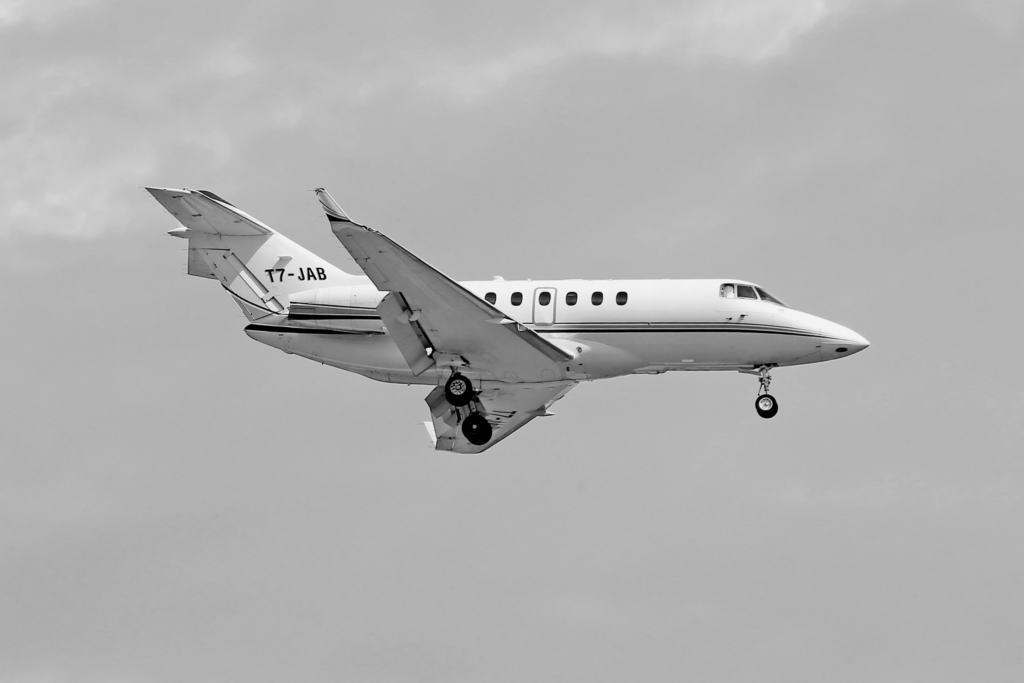
Whether it’s for business or pleasure, booking a private or charter plane comes with perks like shorter security lines and more leg room, but it also comes with risks. Unqualified pilots and rogue operations can pose safety concerns on smaller aircraft, and it’s up to passengers to ensure they are boarding a flight that will get to its destination safely.
As both a licensed pilot and an aviation accident lawyer in New Mexico, Samuel Kane is highly knowledgeable about federal aviation law. If you are planning on flying any time soon, here’s what you need to know about charter flight safety so you can protect yourself and your family from potential danger — and know your legal rights if problems occur.
What’s the Difference Between Private, Charter, and Commercial Flights?
When it comes to safety, it helps to know how each type of travel is classified in the Code of Federal Regulations used by the Federal Aviation Administration (FAA).
Part 91 governs safety standards and requirements for most non-commercial and recreational flying. It includes small personal aircraft, corporate business jets, and instructional flights. The regulations for Part 91 are less restrictive than those for commercial operations. It’s also important to note that pilots in this category cannot charge a fee to transport passengers.
Part 121 governs scheduled commercial flights (such as Southwest or American Airlines) and large cargo planes like FedEx. These operations are subject to the most stringent requirements for aircraft maintenance, flight crew training, and operational procedures.
Part 135 is basically a permission slip that all private air carriers need to fly for hire. It covers a wide range of commercial operations such as on-demand helicopters, air taxis, and charter flights with 30 or fewer seats. The safety standards are more rigorous than for Part 91, but less strict than those for Part 121 carriers.
Why Private and Charter Flights Can Be Risky
While it’s not necessary to shy away from flights that are not operated by major airlines, it’s important to understand why things could go wrong.
Pilot experience. The Federal Aviation Administration mandates that commercial airline pilots have a minimum of 1,500 flight hours to obtain an airline transport pilot certificate. But it only takes 250 hours to be licensed to fly a charter plane, and 40 hours of flight time to get a private pilot license. In late November 2025, two passengers in Alamogordo tragically lost their lives in what could have been due to inexperience, as the pilot had only received his private pilot license one month prior.
Long story short: It pays to find out how much experience your pilot has before boarding.
Takeoff and landing destinations. While commercial airlines are based out of federally regulated airports with air traffic controllers and extensive runways, private and charter planes sometimes have access to private airports. The runways can be shorter, landing equipment less sophisticated, and airspace may be more remote, where it’s harder for pilots to get help if needed. Knowing these things about the destination airport makes a pilot’s experience and the plane’s condition and maintenance record even more important.
Potential illegal operators. There are plenty of charter companies that abide by FAA rules, but some cut corners on maintenance, crew rest requirements, and licensing. Some even operate as commercial pilots even though they are not legally licensed.
Case in point: An illegal charter in 2018 killed both pilots and injured two passengers when the plane overran the runway upon landing. Not only had the braking system failed due to lack of maintenance, but neither of the pilots was qualified to operate the flight as a Part 135 charter. One pilot had a commercial license with second-in-command privileges only, and the co-pilot only held a private pilot certificate.
FAA Part 135 Safety Standards
One key difference between Part 135 and Part 121 of the FAA’s Code of Federal Regulations is that a Part 121 flight requires two pilots, while Part 135 is allowed to have only one. Also, the Pilot in Command on a Part 121 flight shares operational control with a dispatcher, while the sole pilot in a Part 135 flight can assume full operational control.
Other than that, both commercial licenses must maintain strict maintenance schedules and records, but Part 135 is slightly more strict.
To ensure the safety of passengers, general requirements for obtaining and maintaining FAA Part 135 certification include:
- Aircraft Ownership: The owner must be an American citizen. If owned by two partners, both partners must be U.S. citizens. If owned by a company, the president and at least two-thirds of the board of directors must be U.S. citizens.
- Base of Operation: There must be an established physical location for the aircraft’s principal base of operation.
- Maintenance Requirements: Part 135 maintenance requirements are stringent. Aircraft must be inspected according to FAA standards, and maintenance records must be complete with no gaps in documentation.
- Insurance: All air carriers must file evidence of aircraft accident liability insurance coverage with the FAA Air Transportation Division, Technical Programs Branch. Insurance is essential should something go wrong with your flight.
- Staff Training: In addition to proof of pilot training, all crewmembers must undergo an approved training curriculum that includes emergency procedures.
- Drug and Alcohol Testing: The Department of Transportation (DOT) requires federally regulated transportation operators to undergo regular drug and alcohol testing.
Before Flying, Do Your Research
Booking a charter or private flight comes with plenty of advantages. Just make sure to do a bit of checking to make sure the pilot and aircraft will keep you safe throughout your travels. Asking about the items in the above list is a great place to start. In addition, before signing a contract or paying any fees, ask these questions:
Is the aircraft and operator authorized to fly by the FAA?
Ask to see the Operator’s Air Carrier or Operating Certificate to validate that the aircraft has authorization for charter use. If the operator refuses to allow you to see the required authorization, don’t go.
Is the aircraft in the FAA registry?
All legal aircraft can be found on the FAA’s registration website. If you don’t have the serial number or know specific information about the plane, there is an option to search by state and county.
Is there a Federal Excise Tax charge on your fare?
Legitimate operators who are regulated by the FAA must charge this. Be very leery if the price is too good to be true or if there is no federal tax.
Contact Kane if You Need an Aviation Accident Lawyer in New Mexico
If your charter checks all the boxes we’ve discussed, hopefully you’ll get to your destination safely. In rare cases, though, plane accidents can happen even with a certified plane and pilot. If you’re hurt in an accident, please feel free to contact our office. Samuel Kane understands how accidents happen and will fight for compensation from whoever is accountable.
Safe travels, and call us if you need us.