

Doctor visits, insurance calls, vehicle repairs, and so many unanswered questions. The moments and days after a car crash can feel like a whirlwind. But many people don’t realize that one document can make all of those things easier and quietly shape the outcome of an injury claim: the police crash report.
This report is not just paperwork. It’s the official record of what happened, who was involved, and how fault may be assigned. Many families don’t know how to get it, or what to do once they have it. We’ll discuss how to request your crash report, what to look for inside, and what to do if something doesn’t add up.
What is a Police Crash Report, and How Do You Get It?
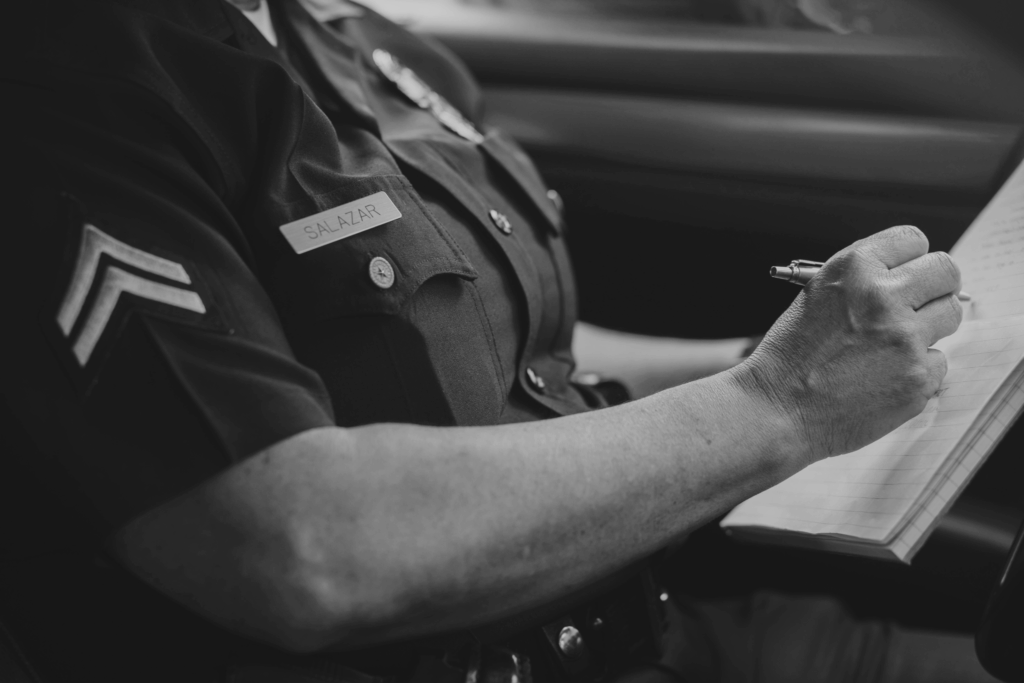
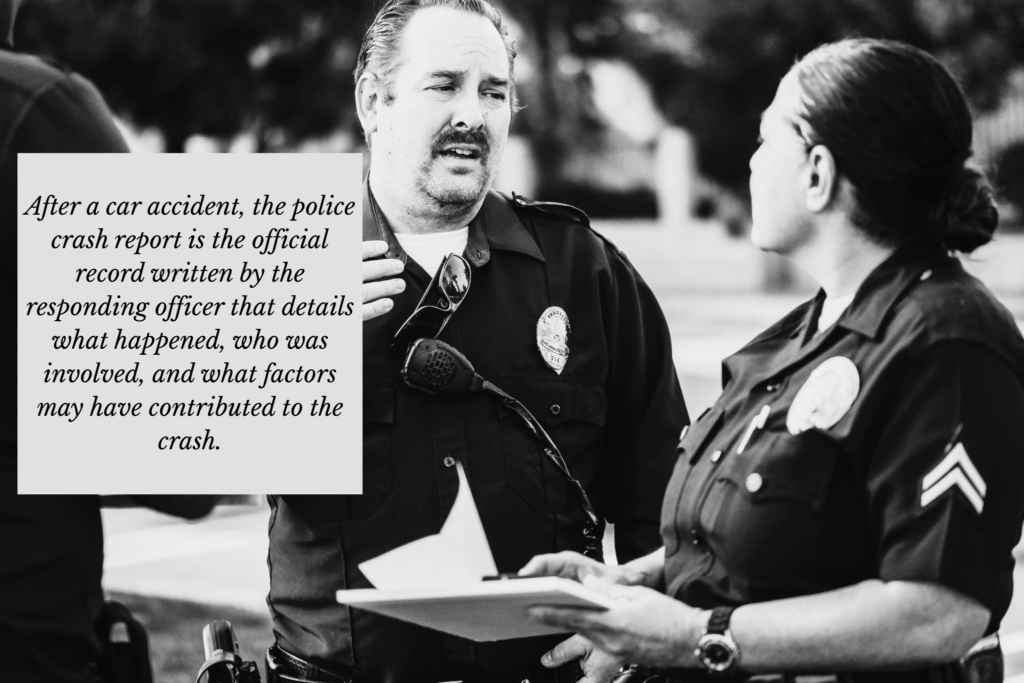
After a car accident, the police crash report is the official record written by the responding officer that details what happened, who was involved, and what factors may have contributed to the crash. While insurance companies rely on this document to determine fault and compensation, attorneys use it to build your case. And if anything’s missing or incorrect, it can slow down your claim (or even hurt it).
So how do you get your New Mexico accident report?
- Find out which agency responded to your crash – This could be local police, county sheriff, or the state highway patrol.
- Visit that agency’s website or call the records department – Most law enforcement agencies allow you to request reports online, by phone, or in person. Before you call, make sure you have basic details like the date, location, and names of people involved.
- Pay the required small fee – A police report usually costs between $5 and $20, depending on the agency.
- Let Kane handle it for you – If you’re overwhelmed or unsure, our office can request the report on your behalf.
What Do I Look for in the Police Crash Report?
Between all the codes and technical language, these reports can often seem overwhelming. But they all contain some key sections that matter to your case:
- Parties involved – This area lists everyone in the crash, including drivers, passengers, and witnesses, along with their contact information.
- Insurance details – Make sure your name and insurance are listed correctly, and contact an attorney right away if the other driver doesn’t have insurance.
- Location and time – Double-check that the report accurately shows where and when the crash happened. Even small errors can affect how insurers view your claim.
- Narrative and diagram – This section includes the responding officer’s written description and sketch of the crash layout. Look for details about vehicle positions, direction of travel, and point of impact.
- Contributing factors – This section notes things like speeding, distracted driving, weather conditions, or suspected impairment, and may include any citations that were issued at the scene.
- Preliminary fault assessment – Some reports may include the officer’s opinion on who was at fault.
Why does all this matter? Because insurance companies use these details to decide who’s at fault and how much they’re willing to pay. If something looks off, your personal injury attorney can dig deeper, request corrections, and make sure your story is accurately represented.
What If My Police Crash Report Contains Errors?
Police crash reports are written by humans – and usually created quickly (often at the scene) – and may contain mistakes. A flawed report doesn’t mean your case is doomed, but it is necessary to take action quickly.
If you spot something that doesn’t look right:
- Make a note of what’s wrong – This could be an incorrect date, missing party, or an inaccurate diagram.
- Contact the reporting agency – Reach out to the police department about issuing a correction or supplemental report. The agency will explain their specific process required to submit the request.
- Contact an experienced car accident lawyer – If you don’t feel comfortable contacting the police agency, let us follow up instead to make sure your version of events is documented clearly and correctly.
How Does a Police Crash Report Help My Claim?
While it may seem like just a formality, a police crash report from your accident is one of the most important tools in your injury claim. It helps establish fault, documents the scene, and gives insurers a starting point for evaluating damages. When the report is accurate and complete, it can speed up your claim and strengthen your case. When it’s missing key details or contains errors, it can cause delays, disputes, or even denials.
That’s why Kane Personal Injury takes crash reports seriously. We review every line, every diagram, and every contributing factor, and if something doesn’t add up, we follow up on your behalf to challenge any inaccuracies. While we handle the paperwork and back-and-forth with insurers, you can focus on what matters most: healing.
If you’ve been in a crash and aren’t sure what to do next, start with your police report and let Kane take it from there. Contact our team today for a free, no-obligation legal consultation to learn more.